Physical Education 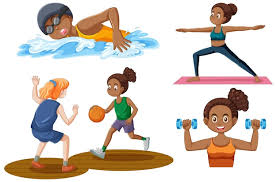
At Cranmore Infant School, our Physical Education curriculum helps children develop the knowledge, skills and confidence to lead healthy, active lives. We aim to inspire a lifelong enjoyment of physical activity, develop physical competence, and support pupils in becoming confident, resilient and cooperative learners. Our curriculum follows the National Curriculum for Physical Education.
What We Teach
Our PE curriculum covers:
· Fundamental movement skills – including running, jumping, throwing, catching, balancing and coordination.
· Games – developing sending, receiving, striking and simple tactics through individual, partner and team activities.
· Gymnastics – exploring shapes, balances, travelling, jumping and creating sequences using floor and apparatus.
· Dance – creating and performing movements, sequences and patterns with increasing control, expression and musicality.
· Athletics and outdoor activities – developing running, jumping, coordination and participation in simple competitive activities.
· Health and fitness – understanding the importance of exercise, healthy lifestyles, and physical wellbeing.
Children learn to apply skills, work collaboratively, and develop confidence in a range of physical activities. We ensure progression in knowledge and skills across year groups, building a strong foundation for future physical development.
How We Teach
PE is taught through:
· Active, practical lessons that promote participation and engagement
· Skill-based and game-based approaches to develop physical competence and application
· Opportunities for individual, partner and group work
· Progressive lessons that build on prior learning and develop skills over time
We use a structured scheme (Real PE, Real Gym, Real Dance) alongside adapted activities to support progression. Lessons are inclusive and designed to develop both physical skills and personal qualities such as teamwork, resilience and confidence.
What Children Learn and How We Assess
Children develop physical competence and an understanding of how to lead healthy, active lives. They learn to:
· Apply a range of physical skills with increasing control and coordination
· Work individually and collaboratively in a variety of activities
· Understand rules, tactics and fair play in games
· Reflect on and improve their performance
Assessment includes:
· Observation and questioning during lessons
· End-of-unit tasks and performance outcomes
· Pupil voice and photographic/video evidence to monitor progression
This ensures pupils are developing secure physical skills, knowledge and understanding, and are well-prepared for future learning.
These are the values we talk to the children about and we look for these qualities in the active sessions they do. We give certificates out when we see these values especially when we do 'Intrasports' between classes.


Useful documents for PE in school